Please Join Us
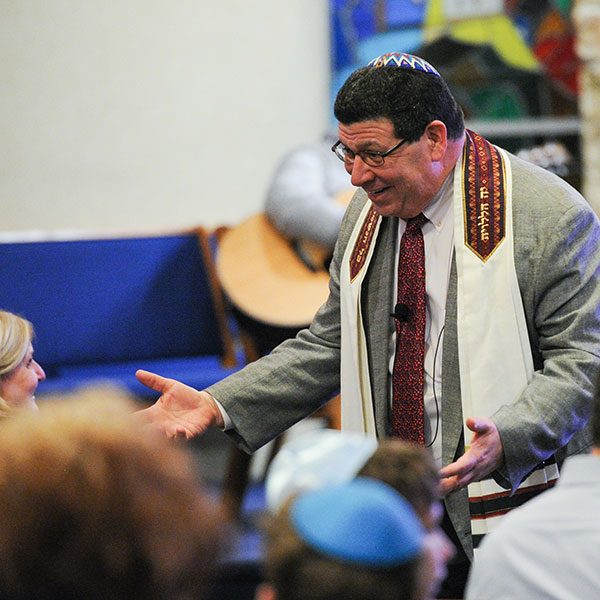
Prayer is a language that each of us speaks and hears in a different way. When we pray together, we try to find meaning within the chorus of diverse voices. With engaging sermons, stimulating teachings, and meaningful prayer intertwined with music, our clergy show us how the lessons from the past are relevant to our lives today.
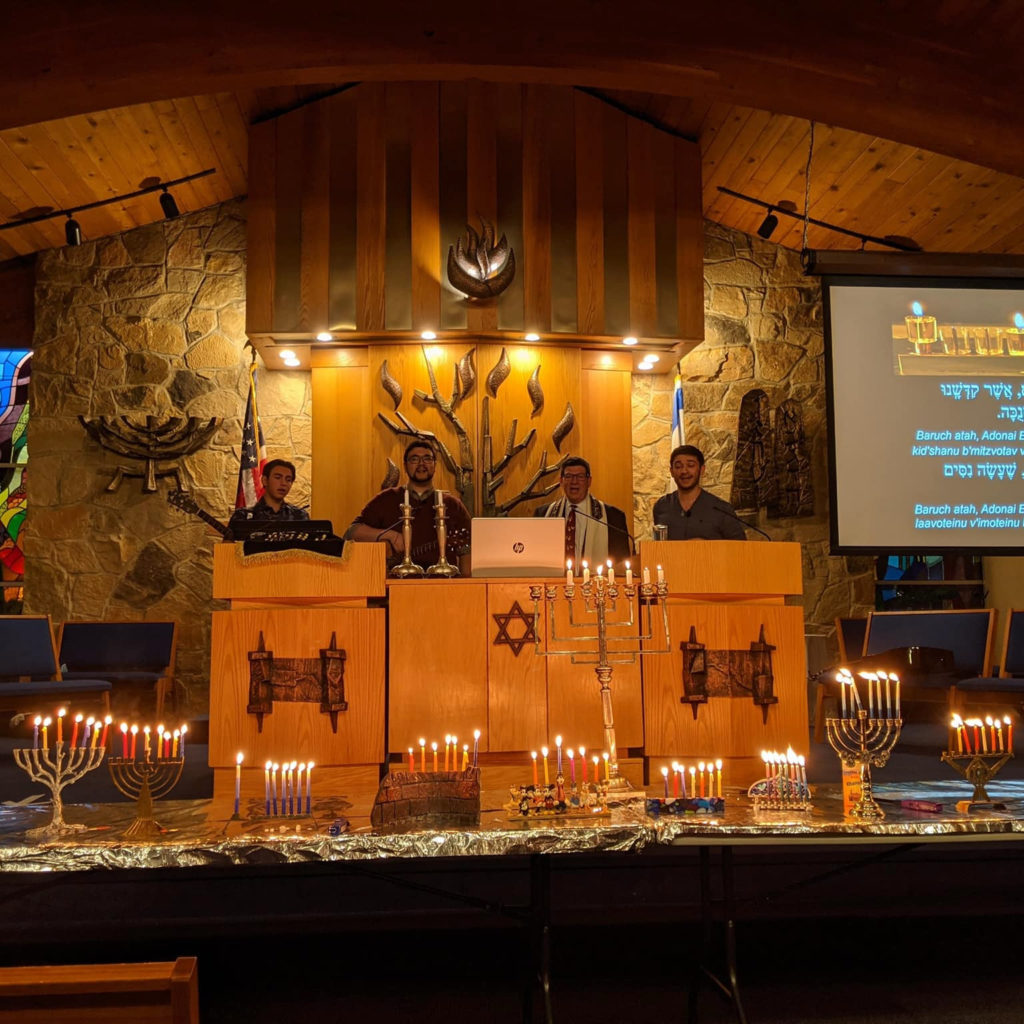
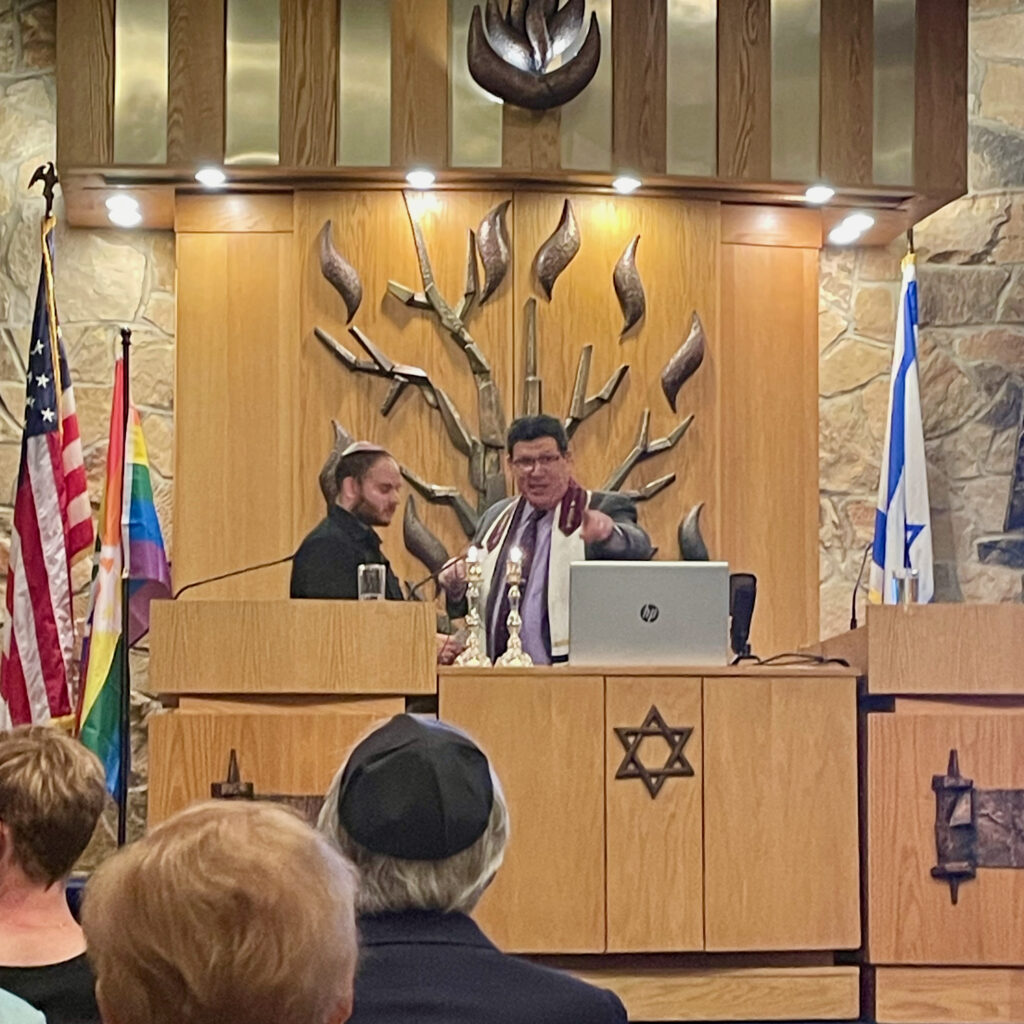
Through a wide range of spiritual experiences we offer something for everyone, including weekly Shabbat evening and Shabbat morning services. In addition, special services are held throughout the year which include “Pray and Play,” “Shalom Yoga,” and so much more.
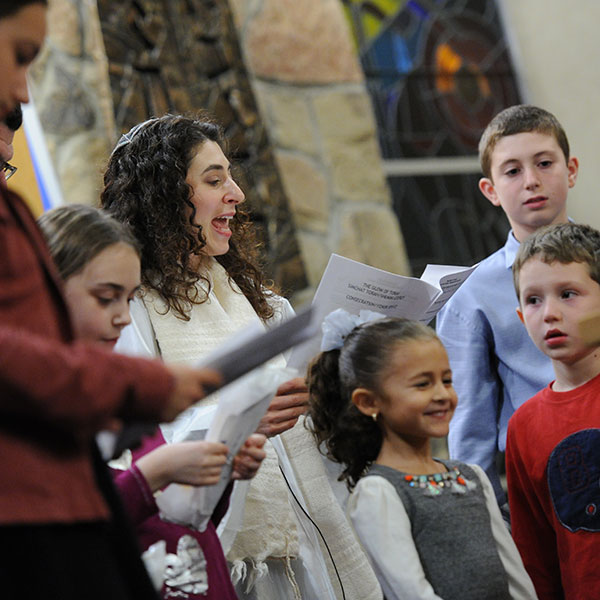
Our services are fully egalitarian (men and women participate equally). We believe we have found a healthy balance between the traditional and the creative. Services are a blend of Hebrew and English that helps everyone feel comfortable. Our prayer book, Mishkan T’filah, contains transliterations adjacent to all Hebrew prayers so that everyone, including guests, can participate easily and fully. We use both traditional and contemporary melodies. People who attend vary from those with traditional backgrounds to Jews by choice as well as guests of all faiths.
Schedule of Services:
Shabbat Evening Service
Erev Shabbat Services: Fridays, 7:00 pm (except the 1st Friday night of the month)
Kabbalat Shabbat Services: 1st Friday night of the month – 6:30 pmMorning Service
Saturdays
10:30 am, September - JuneHoliday Services & Special Events
Please see our Calendar for a full listing of services
Rock Shabbat Services
Check here for more information on our musical Shabbat services.
Rabbi's Most Recent Shabbat Greetings:
We begin the book of Leviticus quietly with the first portion, Vayikra (Leviticus 1:1-5:26). God calls to Moses, vayikra el Moshe, with a small voice, from within the Mishkan. After the drama of Exodus, revelation, and construction, the Torah does not rush forward. Instead, it pauses and teaches us how to draw near. The opening word of the book, korban (sacrifice), comes from the root karov, meaning closeness. Before redemption can be remembered, it must be internalized. Before freedom can be celebrated, it must be prepared for.
This timing matters. Vayikra always arrives as we approach Pesach (Passover), a season focused not only on leaving Egypt, but on making space for something new. While Passover preparation is often dominated by cleaning, shopping, and logistics, Vayikra reminds us that the deeper work is spiritual. Liberation is not only about what we remove from our homes; it is about what we bring close to our hearts.
The korbanot (sacrifices) described in Vayikra are often misunderstood as primitive sacrifices, but the Torah presents them as acts of intention. Each offering requires awareness, presence, and care. One cannot rush a korban. It must be chosen deliberately, offered honestly, and accompanied by self-reflection. In this sense, korbanot function as spiritual training. They ask: What am I holding onto? What needs to be repaired? What does it mean to show up fully?
This question parallels the work of removing chametz (leaven). Chametz is not only leavened bread; it represents excess, ego, and spiritual inflation; the parts of ourselves that resist change because they are comfortable or familiar. Just as we search our homes carefully for chametz, Vayikra invites us to search our inner lives. What habits, assumptions, or resentments have we allowed to linger? What no longer serves our freedom?
Importantly, Vayikra does not demand spiritual perfection. The Torah anticipates failure, mistakes, and repair. There are offerings for inadvertent wrongdoing, for broken trust, for moral missteps. The message is clear: preparation for holiness does not mean being flawless; it means being honest. Passover, too, does not celebrate people who never struggled, but people who stepped forward despite fear, uncertainty, and unfinished faith.
Just as the Mishkan became a dwelling place through careful, intentional acts, so too does freedom dwell where we prepare for it. Vayikra teaches that redemption begins quietly, with attention and intention. Pesach reminds us that when we do that inner work—when we draw close—liberation can follow.
SHABBAT SHALOM